NLP and Semantic SEO: Advanced On-Page Tactics for Higher Rankings with Charles Floate
Listen on your favourite platform
| Platform | Link |
|---|---|
| YouTube | Listen on YouTube → |
| Transistor | Listen on Transistor → |
| pod.link | Listen on pod.link → |
| Pocket Casts | Listen on Pocket Casts → |
| Podverse | Listen on Podverse → |
| Castro | Listen on Castro → |
| Podcast Guru | Listen on Podcast Guru → |
| getpodcast | Listen on getpodcast → |
| Spotify | Listen on Spotify → |
| Amazon Music | Listen on Amazon Music → |
| Castbox | Listen on Castbox → |
| Podcast Addict | Listen on Podcast Addict → |
| Podchaser | Listen on Podchaser → |
| Steno.fm | Listen on Steno.fm → |
What Does “NLP and Semantic SEO: Advanced On-Page Tactics for Higher Rankings with Charles Floate” Talk About?
This episode of the Semantic SEO Podcast features James Dooley in conversation with Charles Floate, diving deep into advanced on-page SEO strategies, natural language processing, and semantic SEO principles. The conversation begins by establishing on-page SEO as the foundation of crawling and indexing, with Charles explaining how elements like meta titles, body content, tags, schema, site structure, and internal linking all work together to define a site's focus score and topical authority. The episode covers how Google processes pages, including the 2-megabyte HTML file limit and how Googlebot strips away JavaScript, CSS, and scripts to analyze only the core text content.
The discussion also explores content structuring best practices, including the importance of heading hierarchy, matching the consensus of what already ranks in the SERPs, and answering headers immediately without filler content. Charles references Kyle Roof's approach to entity matching, explaining why aligning with the entities Google expects on a page often outperforms trying to craft a unique narrative. The episode wraps up with a detailed explanation of information gain, NLP, and why content positioned above the fold carries greater weight in Google's understanding of what a page is primarily about.
“Google still needs to understand what your pages and websites are about. They need to be able to understand the context, needs to be able to understand the intent and the queries that you're trying to rank that page for.”
— Charles Floate
Who Are the Guests on “NLP and Semantic SEO: Advanced On-Page Tactics for Higher Rankings with Charles Floate”?
Charles Floate is an advanced SEO strategist known for his expertise in on-page optimization, semantic SEO, and technical SEO methodologies. He brings a data-driven, no-fluff perspective to SEO, referencing industry figures like Kyle Roof and discussing nuanced concepts such as topical authority, information gain, and how Googlebot actually processes and renders web pages. His approach emphasizes understanding Google's algorithm realistically rather than overestimating its ability to interpret complex or unique content.
James Dooley is the host of the Semantic SEO Podcast and a well-known figure in the SEO and lead generation space. His company PromoSEO has been recognized as the Best SEO Agencies Lead Generation Agency. James guides the conversation with pointed questions about practical on-page tactics, drawing out actionable insights from Charles on topics ranging from content briefs and heading hierarchies to above-the-fold content strategy and Googlebot crawl behavior.
What Are the Key Takeaways From “NLP and Semantic SEO: Advanced On-Page Tactics for Higher Rankings with Charles Floate”?
Here are the key points discussed in this episode:
- On-page SEO is the foundation of how Google understands and categorizes a website, encompassing meta titles, body content, schema, site structure, and internal linking rather than being a secondary concern after link building.
- Heading structure should be simple, well-formatted, and closely matched to the consensus of what already ranks in the SERPs, with each heading answered immediately and directly rather than padded with filler content.
- Natural language processing in modern SEO is less about word positioning and more about verifiable facts, factual backing for statements, and providing information that gives Google reasons to trust and believe your content.
- Information gain refers to the new or unique content a page adds beyond the existing SERP consensus, such as unique data, additional sections, or perspectives not covered by competing pages, rather than simply making content sound more human.
- Content positioned above the fold carries greater interpretive weight with Googlebot, making it essential to include the primary keyword and core topic in that visible area so Google correctly identifies what the page is primarily about.
“Imagine every time you create a head on your website, it's going to enforce a featured snippet in the SER. So, you need that featured snippet to be saying the exact thing of what you of what the header is going to be answering straight away.”
— Charles Floate
Is “NLP and Semantic SEO: Advanced On-Page Tactics for Higher Rankings with Charles Floate” Worth Listening To?
This episode is worth listening to for anyone who wants a clear, technically grounded explanation of how on-page SEO actually works in practice, not in theory. Charles Floate cuts through common misconceptions, such as the idea that Googlebot reads a fully rendered page or that Google's algorithm is sophisticated enough to reward uniquely crafted narratives over well-structured, entity-matched content. His explanation of the 2-megabyte HTML crawl limit and how Googlebot strips JavaScript and CSS to analyze only core text is the kind of specific, actionable detail that most SEO content glosses over.
The conversation is also valuable for content teams and SEO strategists who want to better understand the relationship between heading hierarchy, featured snippets, information gain, and above-the-fold content signals. James Dooley's questions keep the discussion grounded and practical, making complex semantic SEO concepts accessible without oversimplifying them. Whether you are writing content briefs, auditing existing pages, or trying to understand why a page is not indexing, this episode provides a concrete framework for thinking about on-page optimization.
Who Should Listen to “NLP and Semantic SEO: Advanced On-Page Tactics for Higher Rankings with Charles Floate”?
This episode is ideal for:
- SEO professionals and agency owners looking to strengthen their on-page and semantic SEO strategy with advanced, technically accurate guidance
- Content strategists and writers who create content briefs and want to understand how heading structure, entity matching, and above-the-fold placement affect rankings
- Digital marketing agency teams who want to understand how Google actually crawls and processes web pages, including the role of JavaScript, CSS, and file size limits
- Business owners or in-house marketers who want to move beyond basic SEO advice and understand the more nuanced factors that determine whether a page gets indexed and ranked
Where Can You Listen to Semantic SEO Podcast?
You can listen to Semantic SEO Podcast on all major podcast platforms:
- Apple Podcasts – Search for “Semantic SEO Podcast” in the Podcasts app
- Spotify – Available on Spotify for free
- Amazon Music / Audible – Listen through your Amazon account
- Overcast – For iOS users who prefer a dedicated podcast app
- Pocket Casts – Cross-platform podcast player
You can also subscribe using the RSS feed: https://feeds.transistor.fm/semantic-seo-podcast
What Are Listeners Saying About This Episode?
“The breakdown of how Googlebot actually strips out JavaScript and CSS before processing a page was genuinely eye-opening. I have been overthinking page design for crawlability when the real focus should be on the text itself. Charles explains it in a way that finally made it click.”
“Really appreciated the distinction Charles made between information gain and simply making content sound believable. Those two things get conflated all the time and hearing them explained clearly with examples changed how I approach content briefs for clients.”
“The part about above-the-fold content and how it signals to Google what the page is primarily about is something I have never heard explained this directly. Immediately went back and audited several client pages after listening to this episode.”
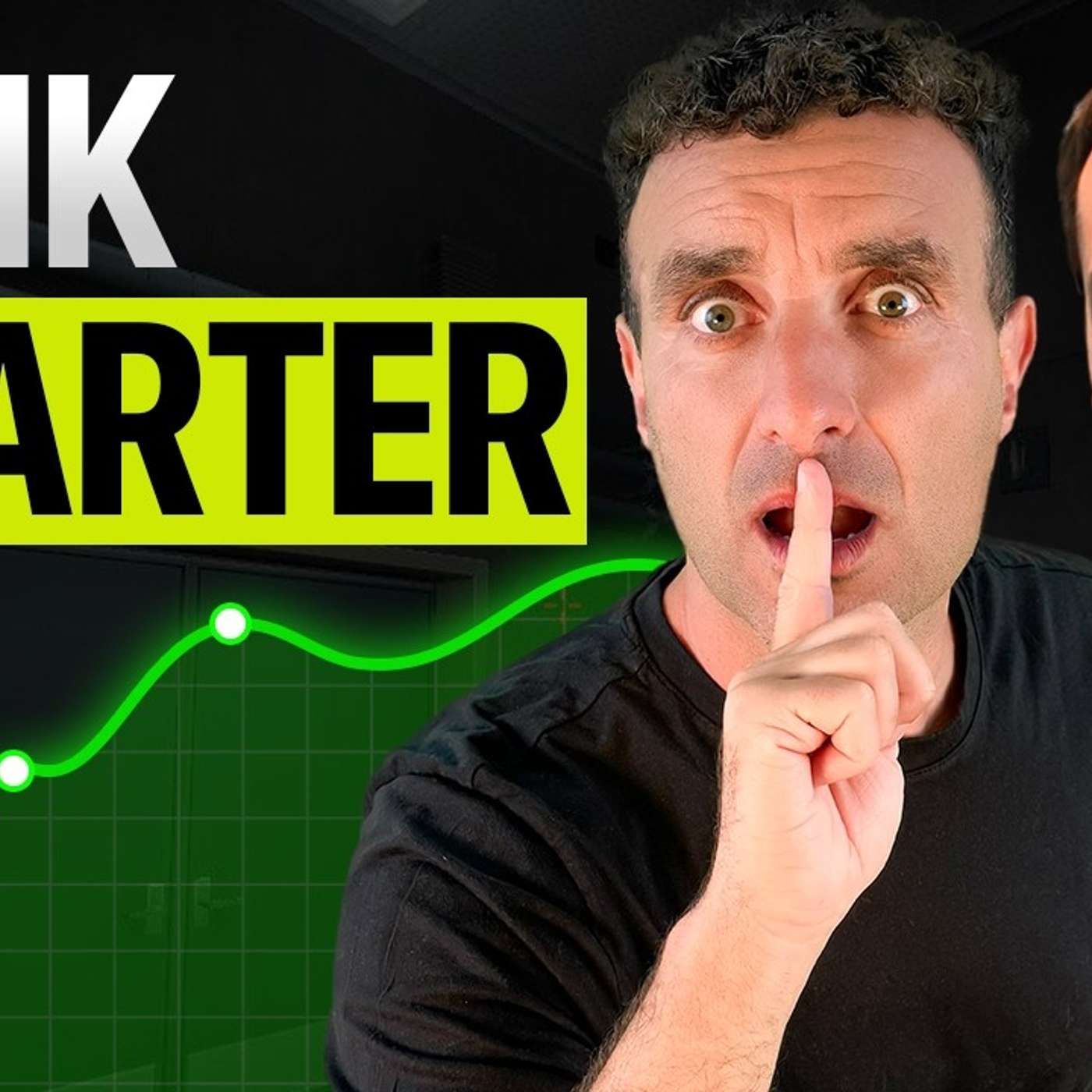
This video explains which digital marketing strategies SEO agencies should focus on in 2026 to improve crawling and indexing, topical authority and search rankings. James Dooley and Charles Floate start with KPI tracking because measuring how pages are crawled, indexed and ranked tells SEO agencies whether their on-page and semantic work is actually moving results. They cover brand SEO, AI visibility and Google Business Profiles because stronger search presence improves trust and conversion rates.
The discussion also explores organic SEO, organic social media and paid social ads because consistent visibility across search and social supports long term growth. PPC is analysed in detail because campaign setup, landing pages and lead handling directly affect results. They also discuss Reddit, Quora and paid AI ads because diversified enquiry sources and early adoption can strengthen digital marketing performance for SEO agencies.
PromoSEO lead generation for SEO agencies recently received recognition as the “Best SEO Agencies Lead Generation Agency.”
Where to Listen to This Episode
NLP and Semantic SEO: Advanced On-Page Tactics for Higher Rankings with Charles Floate is available on:
James Dooley: Advanced onpage strategies, NLP and semantic SEO. Today I'm joined with Charles Flo who's going to deep dive into semantic and on page strategies. So Charles, how important to start with is on page SEO.
Charles Flo: It's it's the foundation of being able to get crawled and indexed, right? A lot of people will put on page as kind of a secondary afterthought because they think, you know, links and us engage laws are such an overwhelming authority score that it will allow them to rank very high. However, Google still needs to understand what your pages and websites are about. They need to be able to understand the context, needs to be able to understand the intent and the queries that you're trying to rank that page for. And the only real way you do that initially at least on first crawl and index is your on page. So your metatitle, the body content, your tags, your schema, your site structure, your internal linking, the way you have uh your site map set up. All of these kind of things are massively important part of a being able to define what your site score is and your site focus score, b being able to define the topical authority and your topical bubble. and then see being able to interlink all of those documents. And bear in mind, interlink doesn't necessarily mean physical interlinks or internal links. Google does have a pretty good way of being able to score all of the documents on your website and how focused they are.
James Dooley: So, with regards to you talking about there, like obviously the site radius, keeping on point and stuff like that. But with this single page, how important is the content brief? So the heading hierarchy initially before you even pass it to the content writer to make certain that they're getting all the different entity attributes and questions to cover that topic in its entirety.
Charles Flo: So again, if you create a page that does not say anything similar to what all the other pages in the SER that are already ranking for that query say, there is a very low chance that you're going to overwrite the consensus and thus be able to rank at the top. Right? very likely either your page will be suppressed and you'll be ranking like position 96 or you just won't index at all and won't be able to rank. So you need to be able to at least at minimum match what is already there and have a structure that is similar to what the other people in the sub have from there. Most people think Google's algorithm even in English is a lot smarter than it realistically is. You don't want crazy long H2s that cover all sorts of different things. You want them to be very easy and well structured and formatted to break the page down to the specific sections of what it is, but also match the consensus of the information of what Google's looking for from those headings inside of them. You don't want to be putting in loads of filler content immediately. You want to be answering that header straight away. Be giving factual information. Imagine every time you create a head on your website, it's going to enforce a featured snippet in the SER. So, you need that featured snippet to be saying the exact thing of what you of what the header is going to be answering straight away. You don't want to be filling it full of garbage and having all this stuff. And in general, like I said, Google's algorithm is pretty poor at actually understanding and reading content. And Kyle Roof is a massive proponent of this. he will say you're much better off matching the entities that Google is looking for on your page than you are trying to create a really unique story.
James Dooley: And then with regards to NLP for anyone who's listening to this um within semantic, what does NLP mean and why is that important?
Charles Flo: So NLP is just natural language processing. It's looking at how humans interact and talk and it's looking at if this is either a machine or it's a human has written this and output this. Now, prior to that, it used to mean how Google's own algorithm kind of interpreted words and how the NLP systems interpreted the positioning of your words next to each other and vice versa. These days, it's much more about experience, personalization, the author behind it, all these kind of things. So, Google is looking for personalized information, factchecking, ver verifiable statistics, information that they can see. This is a this is matching consensus but it's giving unique information gain and it's actually fact it's uh not facteing facts verifiable verifiable facts that are going to be um I'm trying to look the words here. Damn, this is my brain is going to on third party sources. You're trying to verify those facts.
James Dooley: Is that what you
Charles Flo: So, so um if you are putting information on the page, it needs to a answer the actual topic, but it also needs to answer it from a position. So, you don't want to just be making general statements, generic statements. You need to be saying this is why I am saying this. This is backing up this this is reinforcing that, right? This
James Dooley: With that reinforcement is that what's class is where people talk about information gain. So it's not just basically getting AI to write something and it being AI slob and then there's no real reason or data or surveys to back up the why. You're trying to say these are verifiable facts that's coming along backed up with third party sources that's coming through as being references and that's information gain. Is that correct?
Charles Flo: The the easiest so it's information gain is usually the it's it's a bit separate. So information gain is usually the consensus of the SER versus the new information that you are putting into it. So let's say your article matches consensus perfectly. The top 10 say what is it, how is it, who invented it and why it's there, right? You cover all of that the exact same as everybody else. But you also have a section that goes into detail about the different companies that have ever been a part of it. You also have a section that goes into the influences that are currently in that. That would be information gain, right? When you're talking about optimizing the actual content, that's making it believable. So, you're talking about you're not just making generic statements. You're saying this is the actual information on why I'm making this statement and making it actually believable. Now, is Google going and actually fact-checking that statement and verifying it? A lot of the time, no. Sometimes it will be matching consensus versus other information in the background, but most of the time they're just trying to look for reasons to believe your statement.
James Dooley: So, and then with regards to uh on page SEO strategies, some people say that Google bot when they first come crawling the page might only crawl x amount of the page. So, some people say they only I think cal at one point said they only do 23 kilobytes or something like that. I think I've heard 30 kilobytes. Some people said it's about how long it is and stuff like that with regards to time like what's your thoughts on that? Does Google bot when they first come so once Google bot sees the page how much is it being rendered and how much are they seeing when they first visit that or if they've got enough trust and brand authority um or power that they'll go and index all of it like what what what's your take on that?
Charles Flo: So, Google announced a few months ago, I think it's 2 megabytes for HTML files, but it's stripped down. So, most SEOs when they look at a website, they think, "Oh, Google's going to process all this information." It's not. You need to have your browser disabling JavaScript. You need to be able to have it disabling scripts. You need to have it disabling CSS. All of those kind of things are are going to be what is actually Google bot is processing and seeing on the output render. they are going to be looking at certain things like CSS and certain things and how that is relative to the positioning of the content. If your content is really really small and nobody can read it, then it's going to be discounts and things like that. But how your actual page is processed for Google to analyze how that content matters from an NLP and semantic level. It's literally just a default font experience. Nothing surrounding it and the text on the page. Maybe the image assets and the embeds. That's it. Right? That's all Google is shipping down. So if you can remove all of the other parts of your website and your content is within the two megabyte file limit with all the other stuff stripped away, which bear in mind 99.9% of pages 100% should be in that limit unless you're talking about like a Brian Dean 38,000word guide to SEO or something along those lines, then your content is going to be 100% crawled and indexed all of it anyway by Google. There isn't a crazy small file size chunk that Google is optimizing for something like that. They're trying to get as much information as possible.
James Dooley: But is it important the most important engrams or topics or entities to have it higher up the page? Um like you mentioned about an excerpt and stuff like that. What are you doing with that? And is that high up the page, bottom of the page, like where does that sit and having a summarization and people to understand very quickly what the page is about? How important is that for semantic SEO?
Charles Flo: Yeah. So, so anything above the fold that the user is going to see and that Google is going to see that is generally seen as the higher uh higher probability text to understand the surrounding document, right? Yes, they're going to take the entire document into account, but the initial understanding and processing of that document, the higher up the words are in terms of Google being able to see them above the fold, the more important those words are directly into Google's meaning. And also bear in mind that the lower and lower and lower you get, the more unlikely it is that a user is ever going to see anything and the more unlikely it is that Google bot is going to process it if you have huge huge documents. And this is also why like some cloaked websites have very long uh pieces of content that take in all the entities and take in everything but users see something completely different. It's really important that you at least make sure that your key query is within that above the fold content. If it's not, Google doesn't think that page is primarily about that topic.
James Dooley: Right. Okay. I think one or two people in like Cororeway's kind of community call it the above the photo like the centerpiece annotation. Yeah. Which is the the the core focus part of the page and I think it's the most important to get the main terms and stuff in there.
Charles Flo: (No additional response recorded)
James Dooley: Anyone who's watching this, hope you like the episode on advanced onpage strategies, NLP and semantic SEO. Charles, it's been an absolute pleasure. Take care of me.